 Consult Interiors
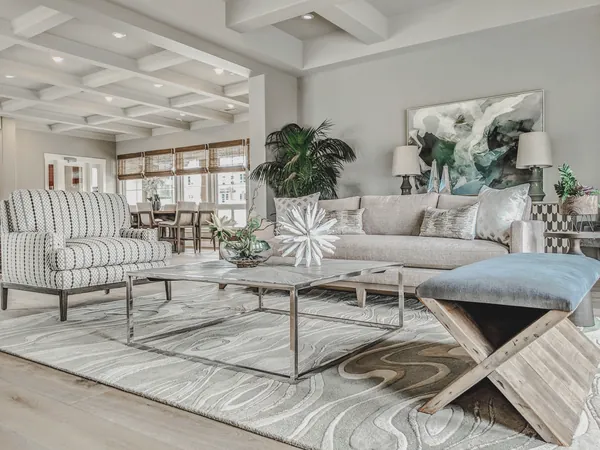
Your home is more than a place to sleep and eat. It's where your personality shows. Good design makes a house work for the way you live and look the way you want it to. Whether you just moved in or want to refresh a room, these are the basics I come back to on every project.
Define Your Style
Before you buy anything, figure out what you're drawn to. Minimal and modern? Cozy and rustic? Bold and eclectic, or classic? Save photos of rooms you love and look for what they have in common. That becomes your filter, and it keeps you from ending up with a room full of pieces that don't go together.
Plan Your Layout
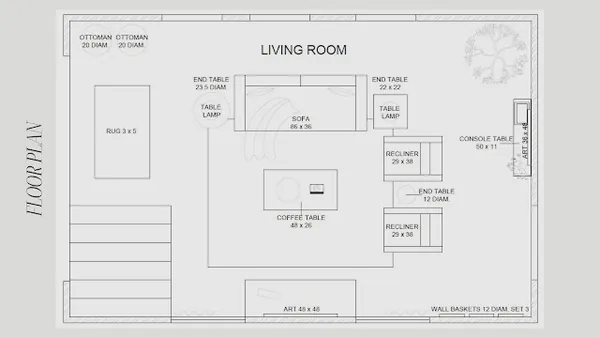
Next, think about how you actually use each room and how people walk through it. Where do you sit, eat, work, drop your keys? A layout that fits your daily routine does more for a room than any single piece of furniture.
Choose a Color Palette
Color sets the mood. Whites, grays and beiges feel calm and clean; stronger colors bring energy. Each room can have its own palette, but rooms you see from one another should feel related. Paint samples on the wall and check them in morning and evening light before you commit.
Lighting Matters
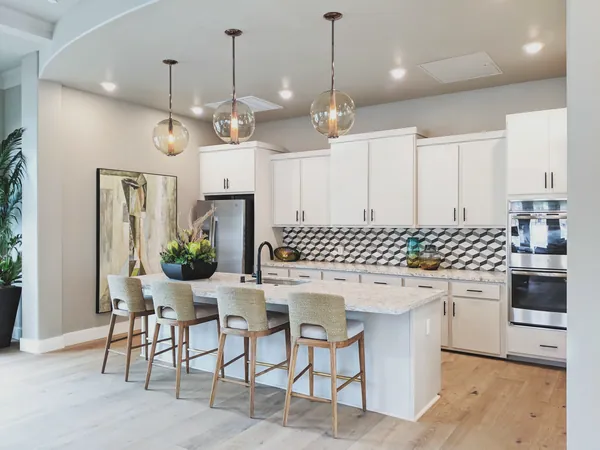
Lighting is the part most people get wrong. Use as much daylight as you can, and hang mirrors where they bounce it around the room. Then layer your lights: overhead light for the whole room, lamps where you read or cook, and accent lights for art or shelves. One ceiling fixture is never enough.
Mix Textures and Materials
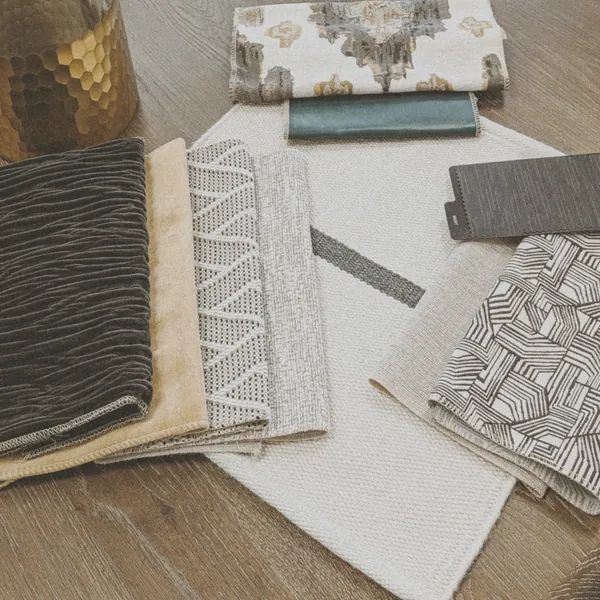
A room with one texture looks flat. Mix wood, metal, glass, linen, wool and leather. A chunky wool rug under a smooth leather chair, or a rough ceramic vase on a glossy table, gives the room depth you can see and feel.
Furniture Selection
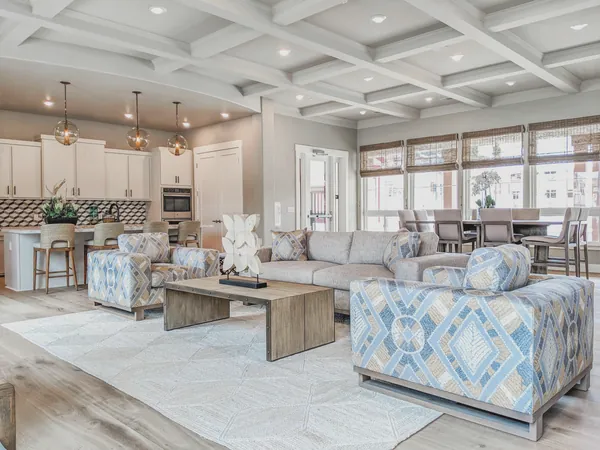
Pick furniture that suits your style and the size of the room. A huge sectional swallows a small living room, and small pieces float awkwardly in a big one, so measure before you buy. Spend more on what you use every day, like your sofa, bed and dining chairs. Those need to last.
Personalize with Decor
Art, family photos and things you brought back from trips are what make a home yours. Just don't put everything out at once. Leave some empty space so the pieces you love actually stand out.
Create Focal Points
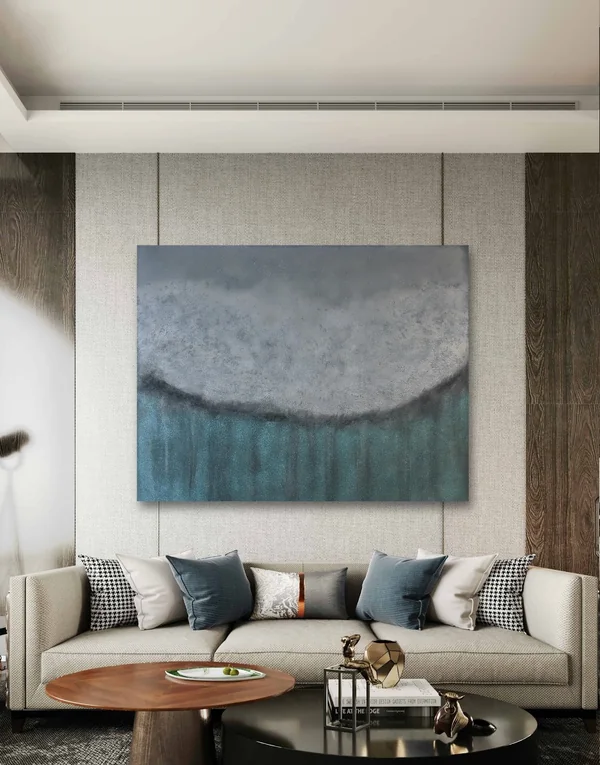
Every room needs one thing that catches your eye first: a statement sofa, a fireplace, a large painting. Arrange the rest of the room around it. Without one, the eye has nowhere to land and the room feels scattered.
Consider Functionality
A beautiful room still has to work. Plan storage so clutter has somewhere to go, and look for pieces that do two jobs, like an ottoman with storage inside or a console that doubles as a desk.
Stay Inspired
Keep collecting ideas from magazines, Pinterest and Instagram, and don't be afraid to try something new. Most homes get better slowly, one change at a time.
Style, layout, color, light, texture, furniture, personal pieces, a focal point and storage: get these right and any house starts to feel like home.
If it all feels like too much, or you're stuck on one room, that's what a designer is for. Hiring an interior designer gets you a clear plan for layout, color and furniture, so you can stop second-guessing every purchase.
Whether you do it yourself or with help, design your home around how you live. It should be the place where you feel most like yourself.